
Why Conversion Tracking Is Breaking More Often in 2026
Small businesses rely on marketing reports to decide where to spend money, but those reports are only useful if conversions are being tracked accurately. In 2026, that accuracy is harder to take for granted.
The issue is not always that campaigns are failing or that leads have disappeared. Instead, there's an increased risk that the tracking setup is incomplete, duplicated, disconnected or unable to capture the entire customer journey.
Conversion Tracking Has More Moving Parts Than It Used To
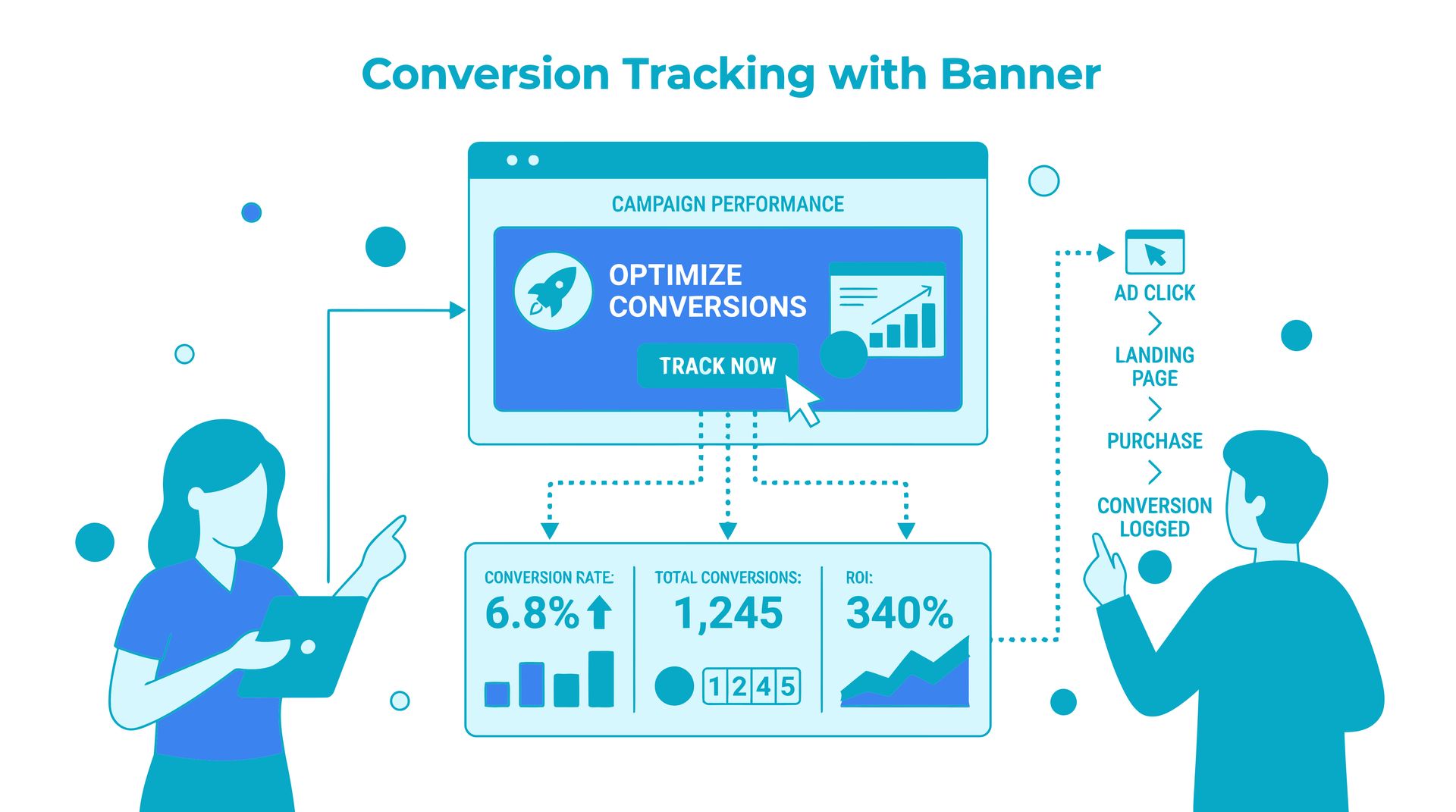
A conversion used to be relatively straightforward. Someone clicked an ad, visited a landing page, filled out a form and appeared in a report.
That path still exists, but modern tracking may involve Google Ads, GA4, Meta, call tracking software, website forms, tag managers, CRMs and landing pages. If those systems are not connected properly, reporting becomes unreliable.
Website Forms Are a Common Source of Tracking Problems
Forms are one of the most common places where conversion tracking breaks down. A form may submit successfully from the customer’s perspective while failing to trigger the appropriate conversion event in Google Ads or analytics.
This can happen when a thank-you page is removed, a form changes to an inline confirmation message, a plugin is updated or a new landing page is launched without the proper tracking setup.
The opposite problem can also happen. A form submission may be counted more than once if multiple tags fire at the same time or if a thank-you page is refreshed.
A campaign may appear to be generating leads, but some recorded conversions may actually be bots, test submissions, duplicate inquiries or people outside the service area.
Phone Calls Are Harder to Track Than Form Submissions
For many local service businesses, the most valuable leads happen over the phone. That makes call tracking especially important, but also more complicated.
Accurate call tracking often depends on dynamic number insertion, call duration settings, source attribution, mobile click-to-call tracking and integrations with ad platforms or CRMs.
Short calls may be counted as conversions even when they are wrong numbers, vendors, job seekers or spam. Missed calls may not be treated as real opportunities, even though they may represent lost revenue.
Duplicate Conversions Can Make Campaigns Look Better Than They Are
Not all tracking problems make campaigns look worse. Some make campaigns look better than they really are.
Duplicate conversions happen when the same lead is counted more than once. A business may track a form button click, the actual form submission and a thank-you page visit as separate conversions.
When this happens, reports can inflate performance. If duplicate or low-quality conversions are treated as successful outcomes, the platform may continue directing budget toward lower-quality traffic.
Attribution Gaps and CRM Mismatches Create Confusion
Privacy changes, browser restrictions, cookie limitations and consent settings have made attribution less complete. Some users may convert, but their source may appear as direct, unknown or unattributed.
That does not always mean marketing stopped working. It may mean the reporting system lost part of the customer journey.
CRMs can add another layer of confusion. Google Ads may count a conversion when a form is submitted, while the CRM may only count the lead after it is received, assigned or qualified by the sales team.
Bad Tracking Leads to Bad Budget Decisions
The biggest risk of broken tracking is not messy reporting. It is making confident decisions based on bad data.
Under-counted conversions can make strong campaigns look weak. Over-counted conversions can make weak campaigns look successful. Poor lead-quality tracking can reward campaigns that generate volume without producing revenue.
When tracking is wrong, optimization becomes guesswork.
Accurate Tracking Matters More as Marketing Costs Rise
As digital advertising costs increase, small businesses have less room for wasted spend. Knowing which campaigns generate real leads, qualified calls, booked appointments and revenue is essential.
Complete attribution may not be possible, but cleaner tracking gives business owners a better basis for decision-making. If your reports do not match what your team is seeing in real life, the issue may not be your campaigns alone.
REV77 can evaluate your conversion tracking, paid ad data, forms, calls and reporting setup during a free digital audit.