How Landing Page Quality Impacts Google Ads Costs
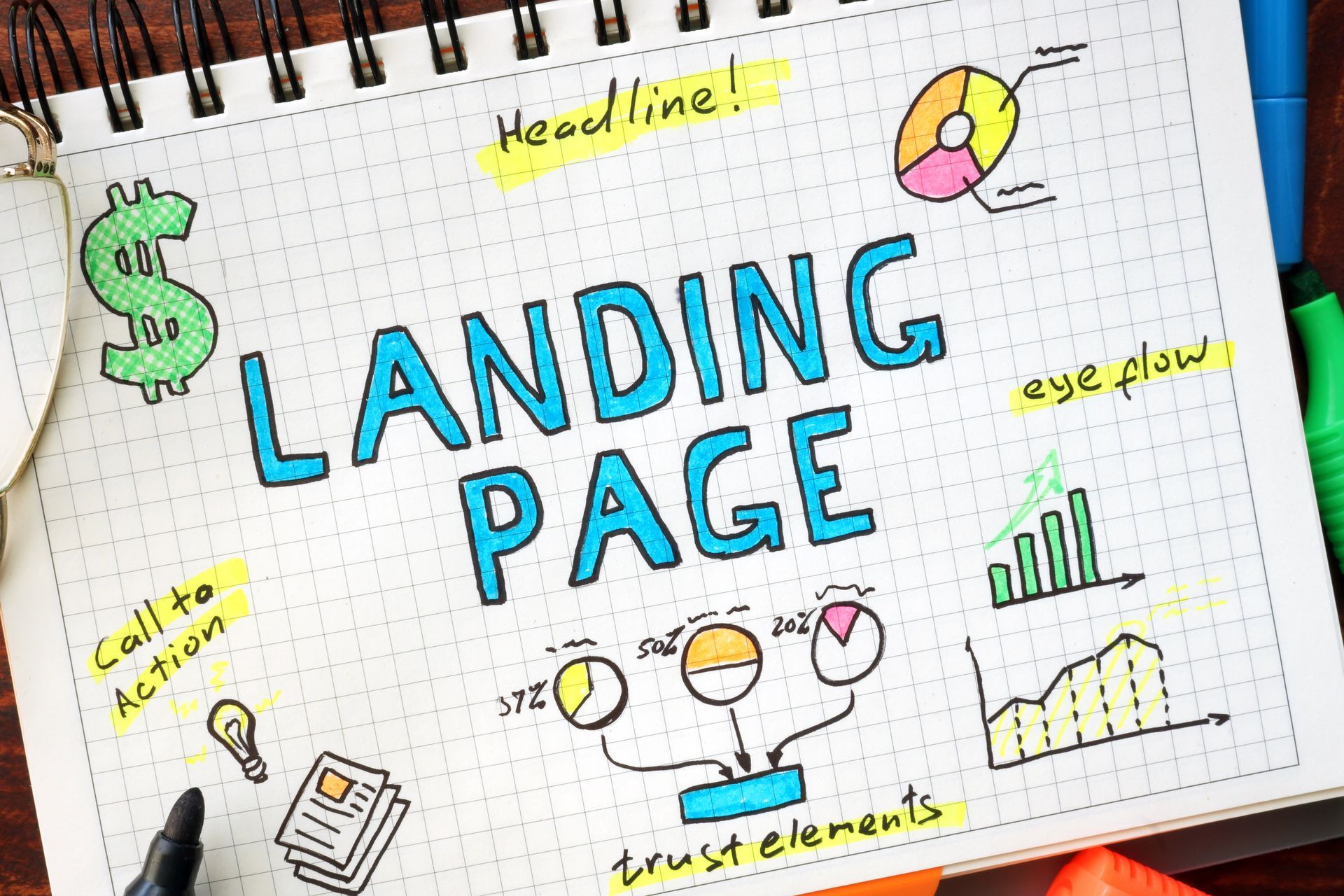
In broad terms, Google Ads evaluates landing pages based on:
- Relevance: How closely your keywords, ads and page content align
- User experience: How clear, fast and easy the page is to use
These signals have been honed and adjusted based on the behavior of billions of searchers, and they directly influence how cost-effectively your ads are delivered and how much you pay for each click.
The Role of Landing Page Experience in Ad Performance
Each time a user clicks, Google evaluates whether the page they land on matches what they were expecting to find. If the connection between the search, the ad and the landing page is clear, users tend to stay longer, engage more and convert at higher rates.
If that connection is weak, users leave quickly or don’t take action. Over time, that pattern signals that the page isn’t as useful for those searches, which can make it harder for your ads to compete.
This is why landing page experience continues to play a role in how ads are ranked and how much you pay to generate traffic.
How Poor Landing Pages Increase Costs
Low Relevance to the Search
There’s a disconnect when someone searches for a specific service and lands on a broad or generic page. For example, clicking on an ad for “AC repair in Phoenix” and landing on a homepage instead of a dedicated service page can create confusion. Even if the service is technically listed once somewhere on the page, it may not feel like a direct match.
Users Leave Without Taking Action
When visitors don’t find what they need quickly, they leave. Over time, patterns like this signal that the page may not be as useful or relevant for those searches, which can reduce overall campaign performance.
Slow Load Times or Poor Mobile Experience
Most service-related searches happen on mobile devices. Pages that load slowly or are difficult to navigate create friction that impacts both engagement and conversions. These usability issues are also factors Google can evaluate directly when determining landing page experience.
Unclear Next Steps
Google evaluates overall usefulness using a mix of page characteristics and aggregated user behavior, and unclear next steps tend to perform worse in that system.
How Strong Landing Pages Improve Cost Efficiency
Stronger Alignment With Search Intent
When your landing page closely matches the search and the ad, it reinforces relevance. This can improve how efficiently your ads are delivered and reduce the need to rely on higher bids to stay competitive.
More Consistent User Engagement Signals
Pages that keep users engaged tend to perform more reliably over time. That consistency supports stronger overall performance signals, which can contribute to more efficient cost per click.
Lower Cost Per Lead From the Same Traffic
Even if cost per click doesn’t change significantly, higher conversion rates mean you generate more leads from the same spend, improving cost control.
Reduced Reliance on Higher Bids
When campaigns perform well across relevance and landing page experience, ads can remain competitive without needing aggressive bid increases, helping control costs as you scale.
What This Means for Local Service Businesses
Many local service campaigns still send traffic to homepages or general service pages. While that can generate leads, it often leaves efficiency on the table.
Searches for specific services, locations or problems typically perform better when the landing page reflects that same level of specificity. Even small improvements in alignment can make a noticeable difference in CPC.
The Easiest Path to Efficient Landing Pages
Although investing a lot of time and money into A/B testing and regular optimizations can potentially eke out efficiency gains, creating a dependable landing page doesn’t have to be that resource intensive. Just make sure searchers land on pages that:
- Are relevant to the ad
- Load quickly
- Function well on mobile devices
- Have clear calls to action with contact options that are obvious and easy to use
Keywords determine when your ads appear, but landing pages determine what happens after the click. Both play a role in overall performance and efficiency.
Making Better Use of Your Existing Ad Spend
Before increasing your Google Ads budget, it’s worth evaluating how well your landing pages support the traffic you’re already paying for. If a landing page is a poor fit for a campaign, improving the post-click experience may produce better results without increasing spend.
If your campaigns are generating clicks but not converting as efficiently as expected, contact REV77 for a free audit.