
What SMBs Get Wrong About Ranking Across Multiple Cities
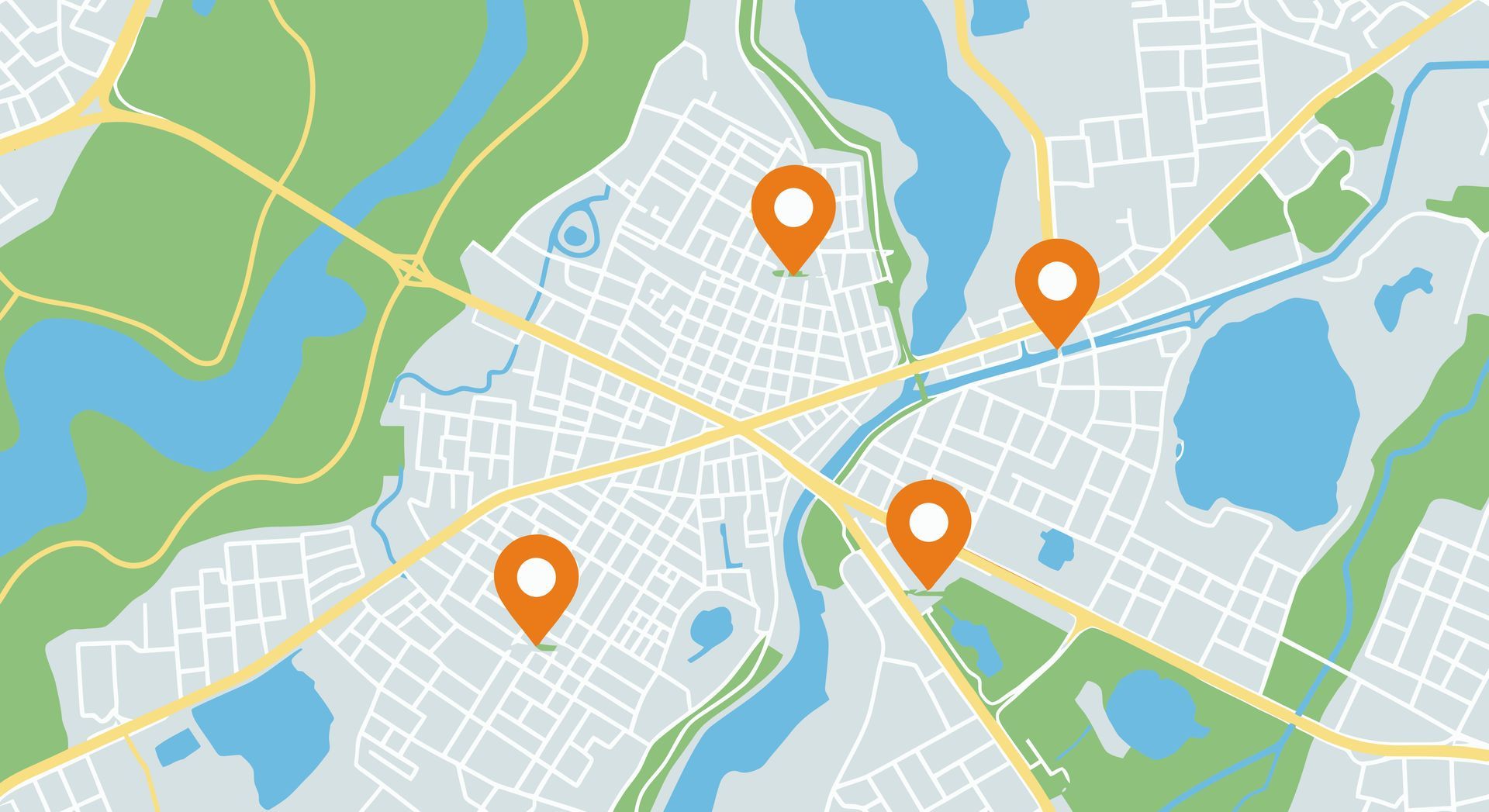
Virtually every business would like to have greater visibility across their metro area. A roofer in Mesa, AZ usually wants homeowners in Tempe, Chandler, Gilbert and even Phoenix to find their website when they search for “roof replacement.”
That visibility isn’t automatic. Showing up consistently in organic search results across an entire metro area can be difficult, especially in competitive markets.
Not Every Market Behaves the Same
Search demand, competition and customer behavior can vary significantly from one city to the next. A service that generates steady leads in your primary location may have far less search volume in a neighboring suburb, or it may be dominated by long-established competitors.
That roofer in Mesa might have excellent results with Gilbert service pages but far less traction with Scottsdale service pages, and there’s not always an obvious single cause for inconsistent results.
You Don’t Need an Office Everywhere, but It Does Help
For most local service businesses, opening a physical location in every target area isn’t realistic. That doesn’t mean you can’t compete in surrounding communities, but it does affect how visible you can be.
Businesses with physical addresses in a given city have a built-in advantage in map results and local visibility. Without that presence, you’re more reliant on organic rankings and overall website authority to compete.
That’s why it’s common to see stronger performance in your primary city and more gradual traction in nearby areas. It’s not necessarily a sign you or your SEO or listing company are doing something wrong. It’s more a reflection of how local search prioritizes proximity.
That being said, there are strategies that work better than others, and not every agency does it right.
Location Pages Alone Don’t Create Visibility
Duplicate pages that simply swap out city names without offering meaningful differences tend to struggle. Search engines are looking for clear signals that the page is relevant to that specific area and service.
That doesn’t mean the messaging needs to change dramatically from one city to the next, especially in neighboring areas where the service is essentially the same. But pages still need to be built as distinct pieces of content, not near-identical copies, so they can stand on their own as relevant results for each location.
Consistency Matters More Than Coverage
Trying to target every nearby city at once often spreads effort too thin. It’s more effective to build consistent visibility in your primary service area and then expand outward over time.
For example, that roofer in Mesa will probably be better off creating strong, location-specific pages for their core service, roof replacement, in Gilbert, Chandler and Tempe, rather than trying to build pages for every service they offer in Gilbert (gutter replacement, siding, etc.). That approach can potentially dilute focus before any one service gains traction.
Service Area Businesses Face a Different Set of Constraints
Location pages are inherently more difficult for businesses with a single location, whether they’re lawyers, doctors or home service companies. Not having multiple storefronts imposes additional limitations.
Local search results typically prioritize proximity to the searcher, which means you may appear less frequently in areas farther from your primary location. This is especially true in map results, where physical presence plays a larger role.
Organic rankings can help bridge that gap, but they don’t completely replace the advantage of being located in the area.
What Actually Helps You Compete in Nearby Areas
For businesses without multiple locations, improving visibility in surrounding cities comes down to a combination of factors:
- Building strong authority in your primary market
- Creating location-specific pages that align with real search intent
- Maintaining consistent service and reputation across your service area
- Expanding strategically rather than all at once
These factors don’t eliminate the proximity disadvantage, but they can help you compete more effectively over time.
Measured Expansion Based on Quality Rather Than Volume Often Delivers Better Visibility
Although there are best practices for expanding visibility, there’s not a singular “best” approach. You might rank well in a very small neighboring community where there are relatively few competitors and jobs available. Although you could entrench yourself there, investing resources into doing so might not drive as much revenue as improving your visibility in a larger nearby suburb.
Conversely, getting a few jobs from that small community might be preferable to getting no jobs from your efforts to compete in a massive suburb. There are many variables involved, and not every strategy is equally viable.
REV77’s SEO team executes multi-area campaigns in regions across the U.S. Request a free audit if you would like to hear our opinion on your current approach.